Travel Organization Accessories by Belonging Type
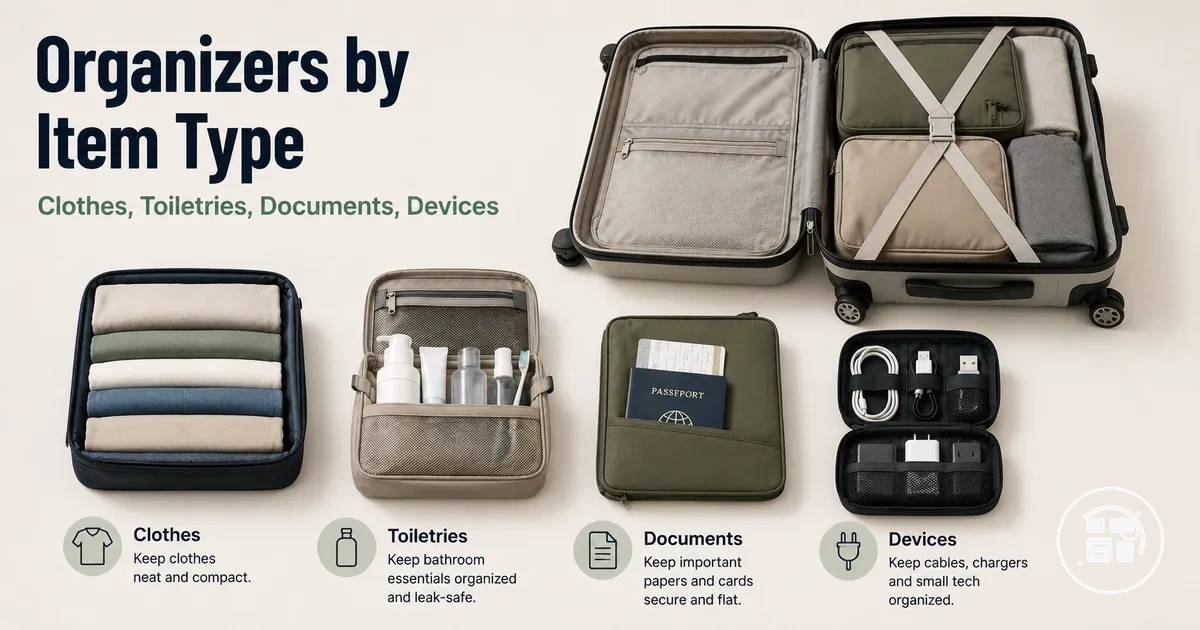
Travel organization accessories are item-specific tools used to organize belongings according to storage risk, access need, and separation requirement. Rather than placing every item into a single pouch, different belonging types often benefit from different organizer behavior. Clothes, toiletries, documents, devices, jewelry, shoes, and laundry each create distinct organization needs that influence access, protection, and separation.
Clothes may need separation from shoes or laundry to help keep clean items apart from dirty items. Toiletries often benefit from containment when liquids or grooming items are packed together. Documents and devices may require quicker retrieval and added protection during travel. Because these conditions differ, one organizer type usually cannot address every packing need.
- Clothes
- Toiletries
- Documents
- Devices
- Jewelry
- Shoes
- Laundry
Choosing travel organization accessories typically involves considering storage risk, access frequency, and separation need. Organizer bags, pouches, and storage cases can serve different functions depending on the belonging type being carried. Items that are accessed frequently may benefit from easier retrieval, while items that can leak, scratch, tangle, or transfer dirt may require greater separation or protection. These differences create the foundation for the belonging-specific sections that follow.
The most suitable organization approach can depend on trip length, bag layout, and item sensitivity. A travel organizer that works well for clothes may not provide the same function for documents, devices, or jewelry. Understanding the relationship between belonging type and organizer function helps create a clearer approach to travel organization accessories without turning every item into the same storage category.
How Belonging Type Changes Organizer Use
Organizer use changes according to the belonging type being carried and how often that item must be accessed. Different item categories create different storage need, separation, access frequency, and protection requirements. Clothes, toiletries, documents, devices, jewelry, shoes, and laundry often require different organizer attributes because their storage conditions and retrieval needs vary.
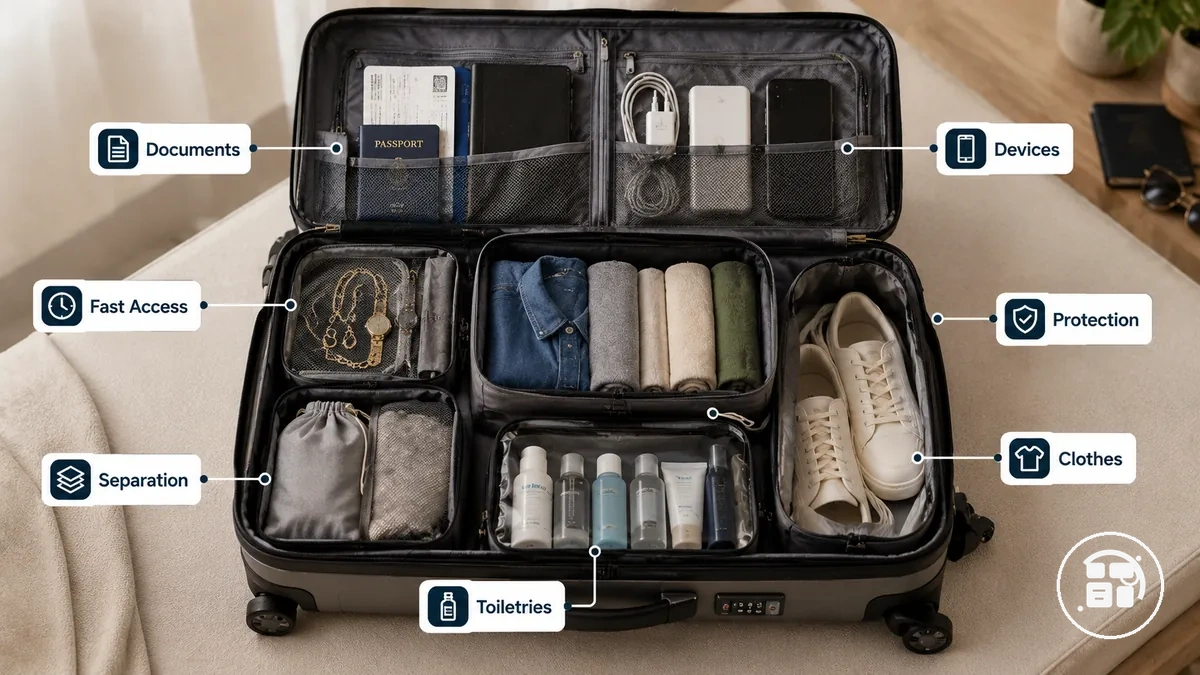
Belonging type refers to the category of item being organized and the storage role it creates during travel. The table below organizes belonging type by storage and access needs, showing how organizer attributes can support different practical outcomes. For broader context, see the travel organization accessories overview.
| Belonging type | Main organizer need | Useful attribute | Practical outcome |
|---|---|---|---|
| Clothes | Separation from other items | Dedicated compartments | Cleaner organization of clothing groups |
| Toiletries | Containment and separation | Separated storage areas | Reduced contact with nearby belongings |
| Documents | Fast access | Easy-retrieval pocket | Quicker retrieval when needed |
| Devices | Protection and access | Padded compartments | Better organization of electronics and accessories |
| Jewelry | Protection from tangling or contact | Small divided compartments | Improved separation of delicate items |
| Shoes | Separation from clean clothes | Isolated storage area | Less contact with other packed items |
| Laundry | Separation of dirty items | Dedicated compartment | Clear distinction between worn and clean items |
Items needing separation commonly include toiletries, shoes, and laundry. Items needing fast access often include documents, chargers, devices, and other frequently retrieved belongings. Items needing protection may include devices and jewelry, where compartments or padding can support the organizer function.
This overview explains organizer use by belongings rather than ranking every organizer type. Additional category context is available in types of travel organizers, while criteria related to organizer attributes are covered in features for different belongings.
Clothes, Shoes, and Laundry Organizers
Keeping clean clothes separate from worn, bulky, damp, or dirty items helps prevent travel belongings from becoming disorganized during a trip. A travel organizer can group clothing by cleanliness state while improving access and visibility inside a bag. The most important distinction is usually the separation between clean clothes and worn clothes.
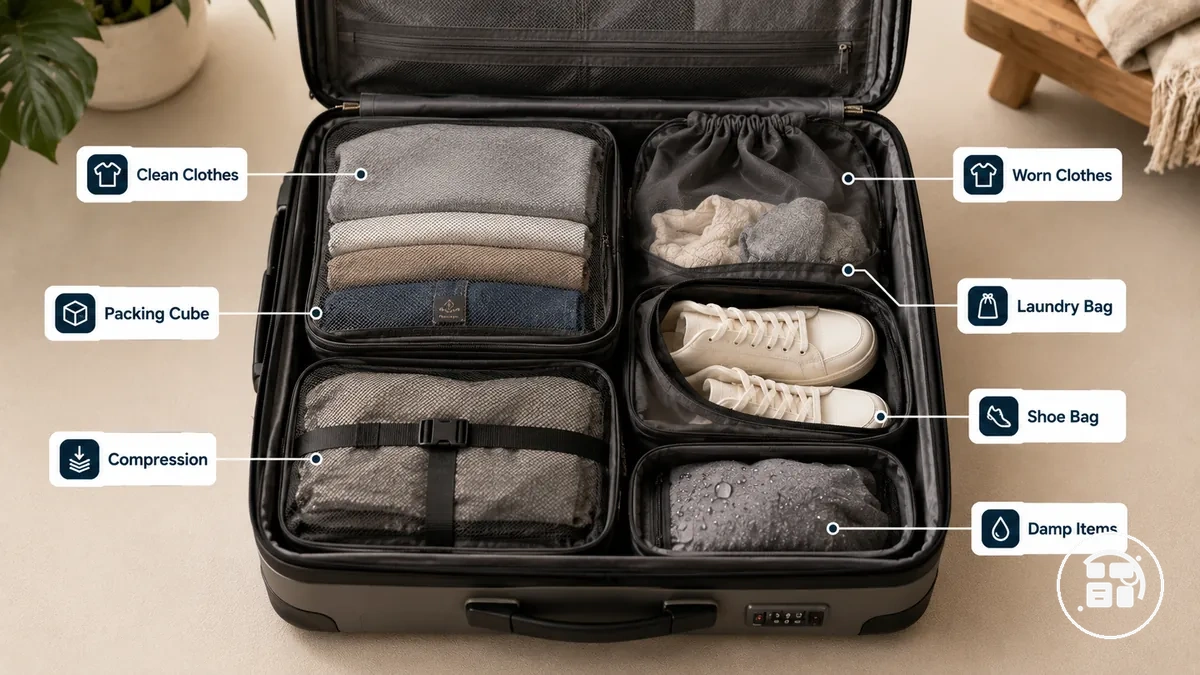
Clothing organization often works best when outfit grouping is done before packing. A packing cube or clothes organizer can keep related garments together while reducing loose clothing movement. Clean outfits are usually stored differently from loose clothing that may be mixed and reused across multiple days.
The checklist below helps organize clothing, shoes, and laundry according to cleanliness state and storage need.
- Keep clean clothes in a dedicated packing cube or garment pouch.
- Place worn clothes in a separate laundry bag or laundry pouch.
- Store shoes in a shoe bag to create separation from clean items and shoe soles.
- Keep damp items apart from dry clothing until they can be stored separately.
- Place items needed first in an accessible travel organizer compartment.
Shoes and laundry often require more separation because they may transfer dirt, moisture, or odor to nearby belongings. A shoe bag helps isolate footwear from clean clothes, while a laundry bag separates worn clothes from unused garments. Situations involving mixed clean and dirty belongings may reflect challenges discussed in packing problems by item type. If damp items or dirty garments are present, additional separation may help reduce contact with clean clothing.
On a short trip, outfit grouping can simplify access because fewer clothing changes are needed. On a longer trip or when packing both clean and worn clothes together, separate storage for clothing, shoes, and laundry can make organization easier without turning into a full luggage layout. Bulky clothes may also benefit from light compression when fabric condition and access needs are considered.
Clean Clothes and Outfit Grouping
Organizing clean clothes starts with matching the clothing group to the trip schedule and access needs. When daily outfit changes are planned, outfit grouping can reduce unpacking friction and improve access inside a packing cube. This grouping method often suits trips where complete garment sets are needed together.
The examples below organize clean clothes according to outfit grouping, fabric type, and day of use.
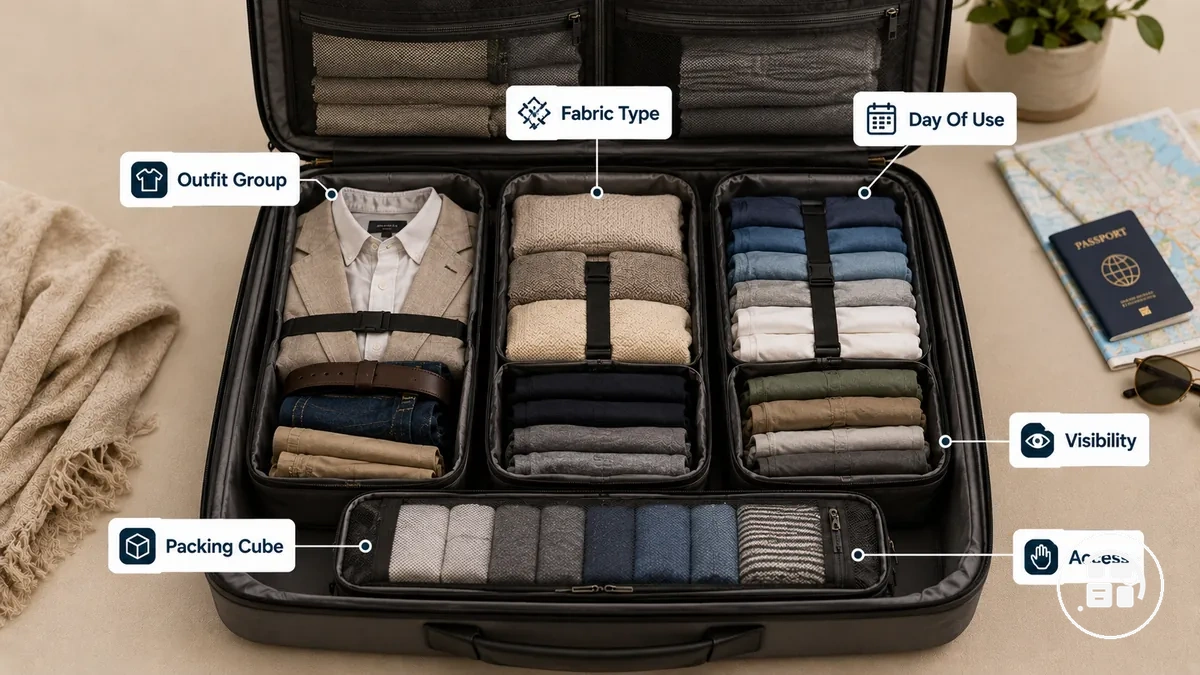
- Outfit grouping: Store each garment set in the same compartment to improve visibility and retrieval when complete outfits are needed together.
- Fabric type: Group similar fabrics and use folding or rolling methods according to garment condition when wrinkle control is a priority.
- Day of use: Arrange clean clothes by planned travel days to simplify access when itinerary order matters.
A local travel scenario may place casual wear in one packing cube and delicate garments in another compartment based on fabric type. Group by outfit when daily changes matter, by fabric type when garment care matters, and by day of use when travel order is the main organizing condition.
Shoe Bags and Dirty Laundry Separation
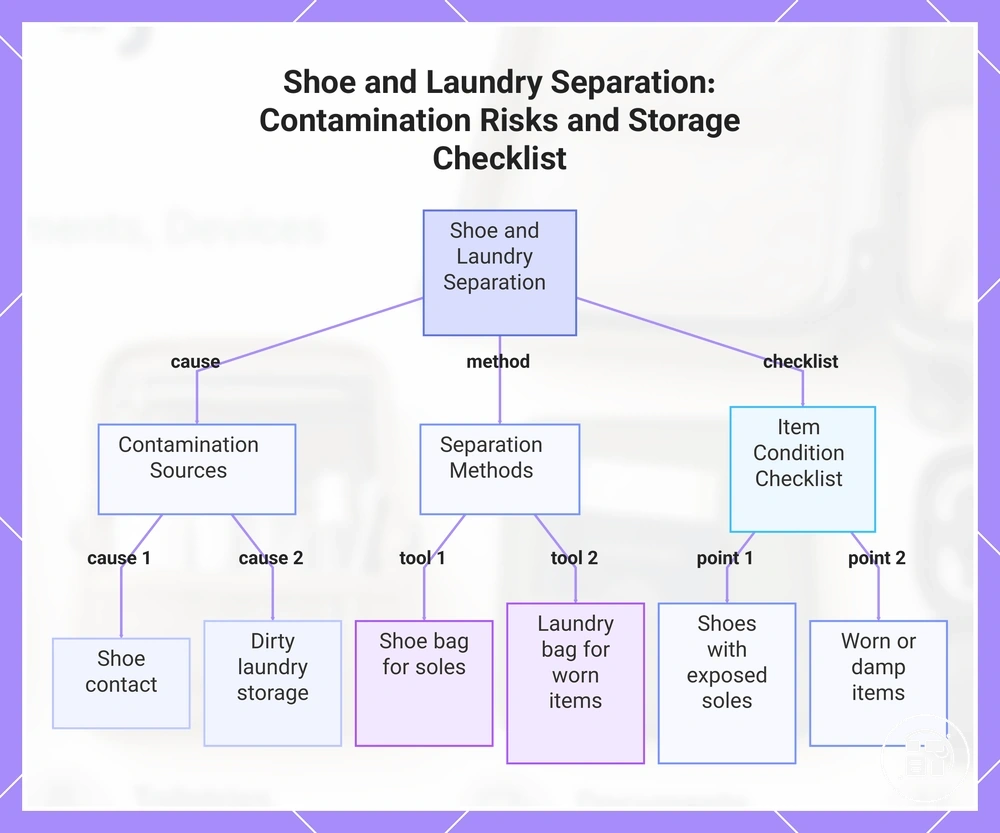
Keeping shoes and used laundry separate starts with isolating items that may transfer dirt, moisture, or odor to clean items. A shoe bag contains shoe soles, while a laundry bag separates worn clothing from unused garments. This separation matters because shoe contact and dirty-laundry storage create a contamination risk that clean clothes do not.
Shoe bags help keep soles away from clean clothes, and laundry bags keep worn clothing grouped apart from fresh garments. Damp garments, used clothes, and swimwear are often stored in a laundry bag or laundry pouch to maintain separation by moisture condition. If muddy shoes or damp garments are packed, additional separation may help reduce moisture or dirt transfer to nearby belongings.
The checklist below verifies which item conditions should not share space with clean clothes.
- Shoes with exposed soles → place in a shoe bag or shoe pouch.
- Worn clothing → place in a laundry bag or dirty clothes bag.
- Damp garments or swimwear → store in a separate laundry pouch.
- Used socks → keep with worn clothing rather than with clean items.
This chart explains why separating shoes and dirty laundry from clean clothes matters and lists the main contamination sources, separation methods, and item conditions that require isolation.
Toiletry and Makeup Organizers
Managing liquids, creams, and small personal-care items starts with using storage that matches spill risk and access needs. A toiletry organizer helps contain liquids, creams, skincare products, and grooming tools that may be used in bathroom settings, while a makeup organizer improves visibility for cosmetics and brushes. This distinction separates liquid containment from small-item visibility.
Toiletries and makeup items differ by form, spill risk, and where they are typically accessed during travel. Liquids, creams, and grooming tools often benefit from containment-focused compartments, while cosmetics and brushes usually benefit from layouts that improve visibility and separation.
| Item group | Main risk | Helpful organizer attribute | Usage outcome |
|---|---|---|---|
| Liquids | Spill risk | Contained compartment | Better separation from nearby items |
| Grooming tools | Mixed-item clutter | Dedicated pouch section | Easier bathroom access |
| Skincare | Staining risk | Organized compartment | Cleaner storage of tubes and containers |
| Cosmetics | Reduced visibility | Divided compartments | Faster item identification |
| Brushes | Contact with other items | Separate compartment | Improved organization |
A toiletry bag often prioritizes containment because liquids, creams, and grooming tools may create spill risk during transport. A cosmetic pouch or beauty organizer typically emphasizes visibility so cosmetics and brushes remain easier to locate. Keeping bathroom-use items separate from cosmetic-use items can simplify packing and reduce unnecessary mixing between item groups.
Liquids, Shower Items, and Grooming Essentials
Containing liquids, shower items, and grooming essentials starts with separating items by spill potential and usage condition. Bottles, creams, and other wet-use items may create leakage or transfer concerns when packed beside dry belongings, while grooming tools often benefit from dedicated storage for easier bathroom access. This approach works best when liquids and bathroom items are placed in a sealed pouch or organizer with a washable lining.
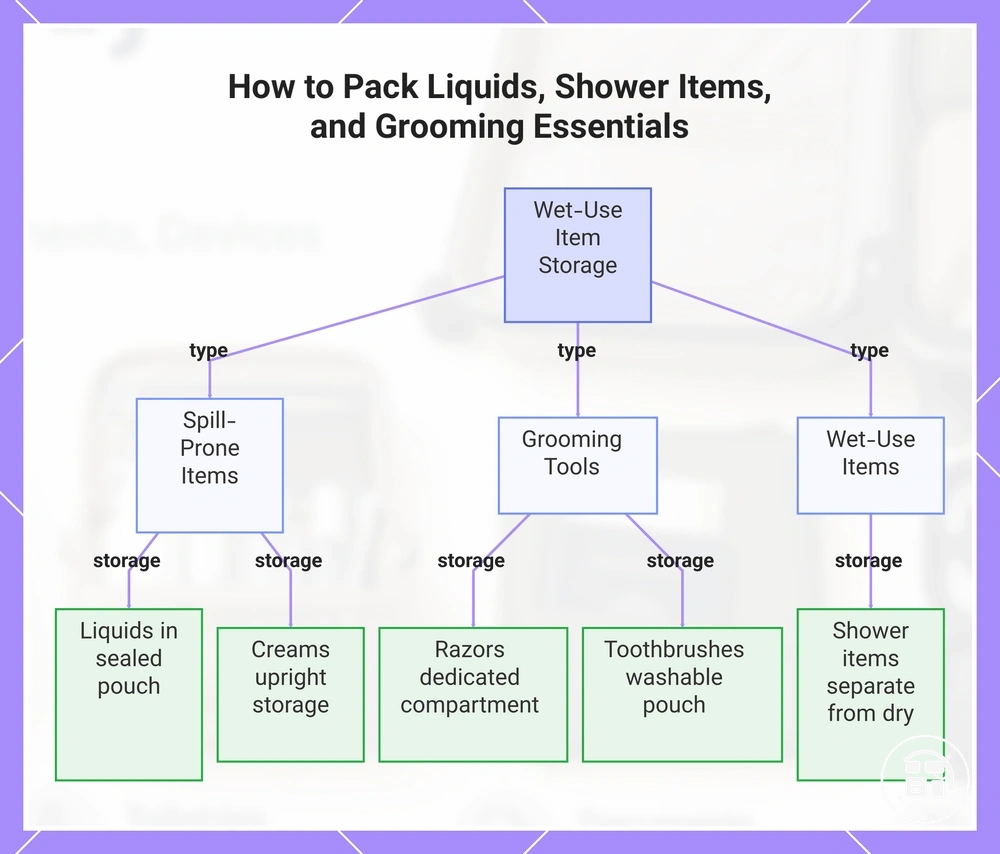
Liquids, shower items, and grooming essentials create different containment needs based on item state. Bottles and creams may benefit from upright storage inside a toiletry pouch, while razors and other grooming tools often benefit from separation that reduces contact with nearby items. Toothbrushes and other hygiene-sensitive bathroom items may be easier to manage in organizers with a washable lining. If items are packed in carry-on luggage, checked luggage, or moved between hotel bathrooms, containment needs may vary by travel situation.
The item groups below often benefit from specific containment conditions.
- Liquids and bottles → store in a sealed pouch to help contain possible leakage.
- Creams and skincare items → keep upright when practical and separate from dry belongings.
- Razors and grooming essentials → place in a dedicated compartment or grooming kit section.
- Toothbrushes and hygiene-sensitive bathroom items → use a toiletry pouch with a washable lining when moisture may be present.
- Shower items and other wet-use items → keep separate from clothing and paper-based belongings until dry when possible.
This chart categorizes wet-use items by spill potential and usage condition and shows recommended storage methods for each group.
Cosmetics, Skincare, and Beauty Tools
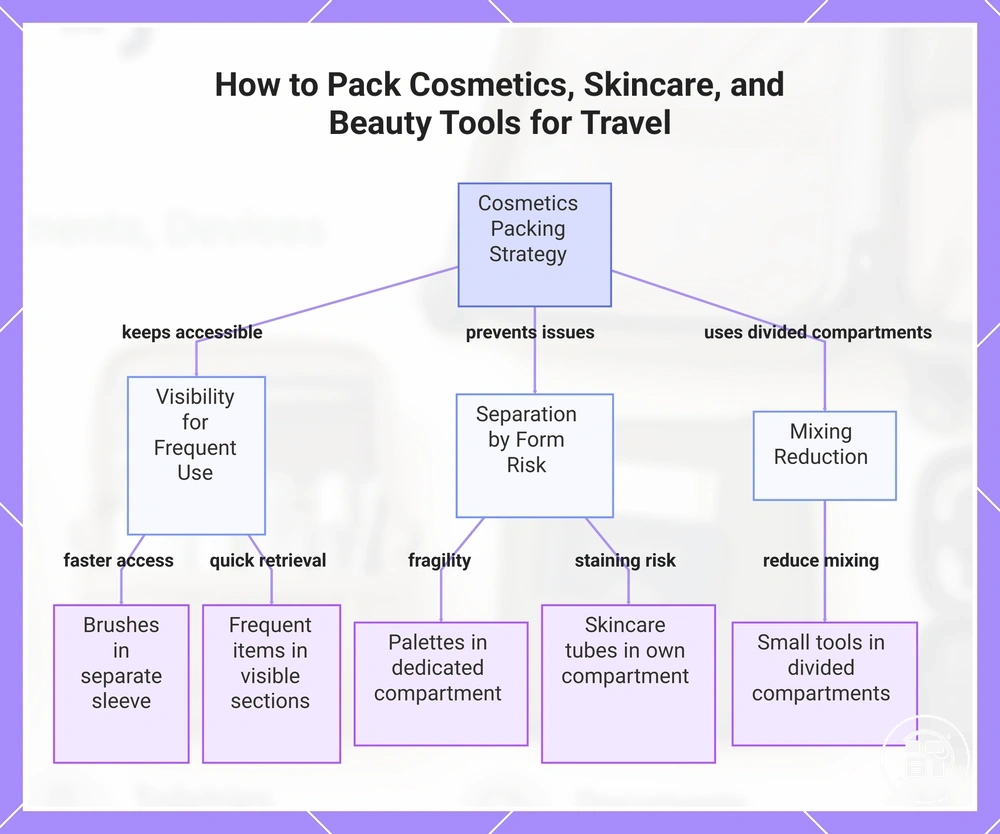
Packing cosmetics, skincare, and beauty tools starts with keeping frequently used items visible and separating delicate items by form. Palettes, brushes, skincare tubes, and small beauty tools often benefit from dedicated compartments that make items easier to locate during travel. This approach prioritizes visibility and separation through gentle containment rather than focusing only on liquid containment.
Different cosmetic forms create different organizer needs. The item groups below show how visibility, separation, and compartment choice can support faster access and reduce unnecessary mess during travel.
- Palettes → store in a dedicated compartment when fragility makes separation useful.
- Brushes → keep in a separate section or sleeve to improve visibility and support faster access.
- Skincare tubes → place in their own compartment when staining risk may affect nearby items.
- Small beauty tools → use divided compartments to reduce mixing with cosmetics and other tools.
- Frequently used makeup items → keep in visible organizer sections for quicker retrieval.
A compact palette and nearby brushes may be easier to manage when stored in separate compartments rather than mixed with other cosmetic tools. Gentle containment can help keep cosmetics, skincare items, and beauty tools organized when item size, fragility, or staining risk varies across the organizer.
This chart shows the main packing principles for cosmetics and beauty items, focusing on visibility and separation to reduce mess and improve access.
Jewelry and Small Valuable Organizers
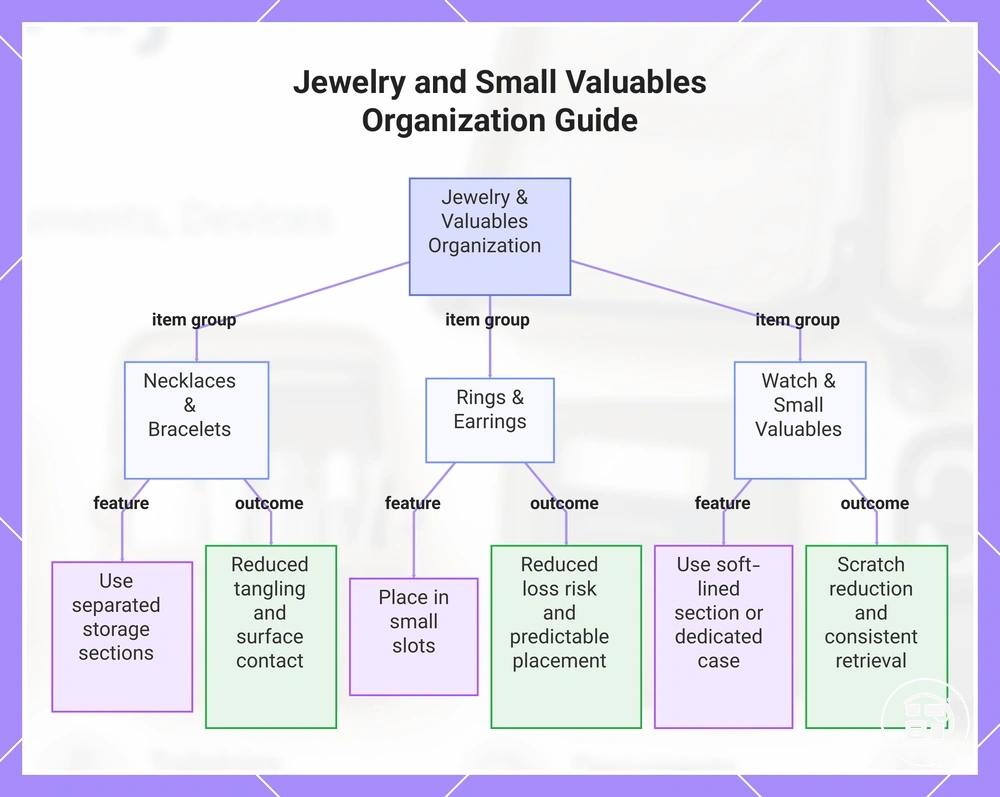
Keeping jewelry and small valuables organized starts with assigning each item a dedicated storage position. Rings, earrings, bracelets, necklaces, and a watch can be easy to misplace when stored loosely inside luggage or a personal bag. A jewelry organizer helps create predictable placement while supporting tangle control, scratch reduction, and retrieval for items that are small, fragile, and easy to misplace.
Different jewelry forms create different storage needs because loss risk, surface contact, and movement inside luggage vary by item type. Slots, wraps, and compartments address different local risks by separating items according to size and fragility. The checklist below connects common jewelry forms with organizer features and practical outcomes.
- Necklaces → use loops or separated sections to support tangle control and easier retrieval.
- Rings and earrings → place in small slots to reduce loss risk and improve predictable placement.
- Bracelets → use individual compartments or wraps when separation may help reduce surface contact.
- Watch storage → use a soft-lined section when scratch reduction is a priority.
- Small valuables → keep in a dedicated small item case for more consistent retrieval inside luggage or a personal bag.
A jewelry case, travel jewelry pouch, or accessory organizer can improve access by giving each item a defined location. This type of organization focuses on predictable placement and retrieval rather than theft prevention. While separation features may help reduce tangling or surface contact in many cases, outcomes can vary based on item design, packing pressure, and travel conditions.
This chart shows how to organize different jewelry and small valuables by matching each item group to a recommended storage feature and its practical outcome.
Rings, Earrings, and Bracelets
Storing rings, earrings, and bracelets starts with fixing each item in a defined position so it does not move freely during travel. When small jewelry pieces shift inside storage compartments, retrieval may become more difficult and contact between items may increase. Small-piece movement is the local problem that slots, panels, and small compartments are designed to address.
The item types below often benefit from different compartment layouts based on size, closure style, and movement control needs.
- Rings → use dedicated slots to support movement control and easier retrieval.
- Earrings → keep paired earrings in small compartments to reduce loss risk and simplify retrieval.
- Bracelets → use panels, bracelet loops, or separated compartments when movement control may help reduce scratching from contact with nearby items.
Slots, panels, and small compartments serve different storage functions depending on the jewelry form. A paired earring set may be easier to locate when stored together, while bracelet separation can help limit unnecessary movement. Choosing the appropriate compartment type can support more predictable retrieval.
Necklaces and Tangle-Prone Jewelry
Necklaces and tangle-prone jewelry need separation because chains can move, twist, and press against other items during travel. A necklace pouch, jewelry loops, or a separate sleeve can help keep chain jewelry from shifting loosely inside a bag. The local risk is chain movement, especially when chain length, pendant shape, or metal softness makes knots or pressure damage more likely.
Loops can hold chains in a more defined position, while flat placement can reduce pressure on a pendant when the pouch is not tightly packed. Separate sleeves can help delicate chains avoid contact with other jewelry pieces. These methods may reduce knots, scratching, or pressure damage when the organizer layout matches the necklace shape and packing pressure.
The checklist below keeps chain-specific storage easier to scan.
- Long chains → use loops or separate sections to support separation and reduce loose movement.
- Pendant necklaces → use flat placement when pendant shape may create pressure points.
- Delicate chains → use a separate sleeve when metal softness or chain thickness increases contact risk.
- Layered necklaces → separate each chain when possible to reduce knotting between strands.
Document Organizers for Travel Papers
A document organizer keeps travel papers accessible by separating them from bulk luggage items. Document organization depends on access frequency and sensitivity because a passport, tickets, cards, cash, visas, printed bookings, and copies may be needed at different access moments during a trip. Dedicated folder pockets can support faster retrieval and may reduce misplacement risk when travel papers are grouped by purpose rather than packed loosely.
Travel papers differ by access moment and sensitivity, so organization often works best when urgent-access documents, backup documents, and payment-related items are stored separately. A travel document holder, document wallet, or passport holder may use different folder pockets to support retrieval based on when each document is needed.
| Document type | Access moment | Organizer feature | Practical outcome |
|---|---|---|---|
| Passport | Identity checks and travel processing | Dedicated folder pocket | Faster retrieval |
| Tickets | Boarding or entry access | Accessible folder section | Quicker access to travel papers |
| Cards or cash | Payment-related use | Separated pocket | Clearer organization by sensitivity |
| Visas or printed bookings | Travel document reference | Document folder compartment | Easier retrieval when needed |
| Copies | Backup document reference | Separate backup section | Lower misplacement risk through organization |
Organized access focuses on keeping passports, tickets, cards, cash, visas, printed bookings, and copies easier to locate during travel. A paper organizer can support separation and retrieval, but organization alone does not guarantee safety, compliance, or document acceptance. For broader benefits related to safer packing and easier access, document storage is best viewed as an access-focused system rather than a guarantee against loss or travel issues.
Passports, Tickets, Cards, and Cash
Moving through checkpoints, transport changes, and accommodation check-ins is easier when a passport, tickets, cards, and cash are grouped by access frequency. Items used repeatedly during a trip often benefit from a quick-access pocket, while less frequently used items can remain in secondary sections. The main organizing criterion is the access moment.
Sorting items by travel moment can help keep retrieval aligned with usage order.
- Checkpoint access → keep a passport in a quick-access pocket when identity verification is expected.
- Transport access → place tickets or a boarding pass in an accessible folder section for easier retrieval.
- Accommodation access → keep reservation-related travel papers near other frequently used documents.
- Payment access → store cards and cash in a separate pocket position within a travel wallet to support organized retrieval.
Higher access frequency usually supports a more accessible pocket position, while lower-frequency items can remain deeper inside the organizer. This access order may reduce misplacement and can support faster retrieval when multiple travel moments occur close together.
Family Documents and Copies
Organizing family documents for group travel starts with separating records by traveler and document ownership. When children, companions, or multiple adults share group paperwork, sorting becomes more complex because different people may need access to different documents throughout the trip. The main challenge is repeated access across travelers.
Family documents are easier to sort when originals, copies, and person-specific documents are placed in separate sections. A divider or sleeve label can identify ownership and keep group travel documents organized by traveler. Backup photocopies may be stored apart from originals when document copies are useful for reference, helping reduce the chance of a mix-up.
The checklist below helps verify group-document organization.
- Keep originals separate from copies within the same organizer.
- Use a sleeve label or divider for person-specific documents.
- Group shared bookings in a clearly identified section for the traveler group.
- Store backup photocopies in a separate area from primary documents.
- Use labeled sleeves for documents belonging to children or companions.
Device and Cable Organizers
Managing chargers, cables, adapters, earbuds, power banks, and other tech accessories starts with separating items according to fragility, shape, and access frequency. An electronics organizer can help reduce cable tangles and make charging items easier to retrieve, while a device organizer can use padding and dividers to separate more delicate accessories. Tangle control serves a different purpose than reducing pressure damage.
Each item type benefits from a different placement attribute inside a cable organizer, electronics pouch, or accessory case. Flexible cables, small accessories, and compact electronics create different organization needs.
| Tech item | Main risk | Useful organizer feature | Usage outcome |
|---|---|---|---|
| Chargers | Mixed-item clutter | Pockets | Easier retrieval |
| Cables | Tangling | Elastic loops | Improved tangle control |
| Adapters | Misplacement | Dedicated pockets | Faster access |
| Earbuds | Contact with nearby accessories | Separate compartments | Improved organization |
| Power banks | Pressure from nearby items | Padding | Better separation |
| Small electronics | Pressure damage | Divider and padding | Reduced contact with other items |
A cable organizer often prioritizes elastic loops and pockets because cables and chargers are used frequently. A device organizer may place greater emphasis on padding and separation for small electronics, earbuds, or power banks. The balance between access and protection depends on item shape, fragility, and access frequency.
Chargers, Cables, and Adapters
Organizing chargers, cables, and adapters starts with grouping items by connector type, cable length, and access frequency. Charging accessories stored loosely can be harder to identify and may create a tangle inside a cable organizer or tech pocket. Grouping similar items helps separate identification needs from the local problem of tangling or mismatching.
Connector type helps distinguish chargers and cables used with different devices. Cable length can guide whether a loop or a separate pocket provides clearer organization. Access frequency can determine which chargers, cables, or adapters remain in the easiest-to-reach placement area, supporting faster identification through consistent placement.
The checklist below pairs charging accessory attributes with placement choices.
- Chargers with the same connector type → place in a shared pocket to support easier identification.
- Long cables → use a cable loop because controlled storage may help reduce tangle risk.
- Short charging cables → keep in a separate pocket when quicker identification is useful.
- Frequently used chargers or cables → place in the most accessible pocket based on access frequency.
- International adapters for travel use → keep in a dedicated pocket so they may be easier to locate when needed.
Small Electronics and Tech Accessories
Packing for transit or a hotel stay starts with giving small electronics a dedicated location inside an organizer. Earbuds, power banks, memory cards, small cameras, and other tech accessories may be easier to retrieve when stored in defined compartments rather than mixed with loose items. Small electronics differ from loose cables because fragility and loss risk often require more deliberate placement.
Padding can help separate small electronics from nearby items when movement occurs during transit. Separation from liquids may reduce unwanted contact between tech accessories and toiletry items stored in the same bag. Predictable placement through compartments, a padded pouch, or a device pocket can support retrieval and may help with local protection.
If a carry-on bag contains both toiletries and electronic accessories, storing memory cards, earbuds, or a small camera in separate compartments may make retrieval easier later. The same predictable placement approach can help keep frequently used tech items organized during hotel use.
Access Order for Frequently Used Items
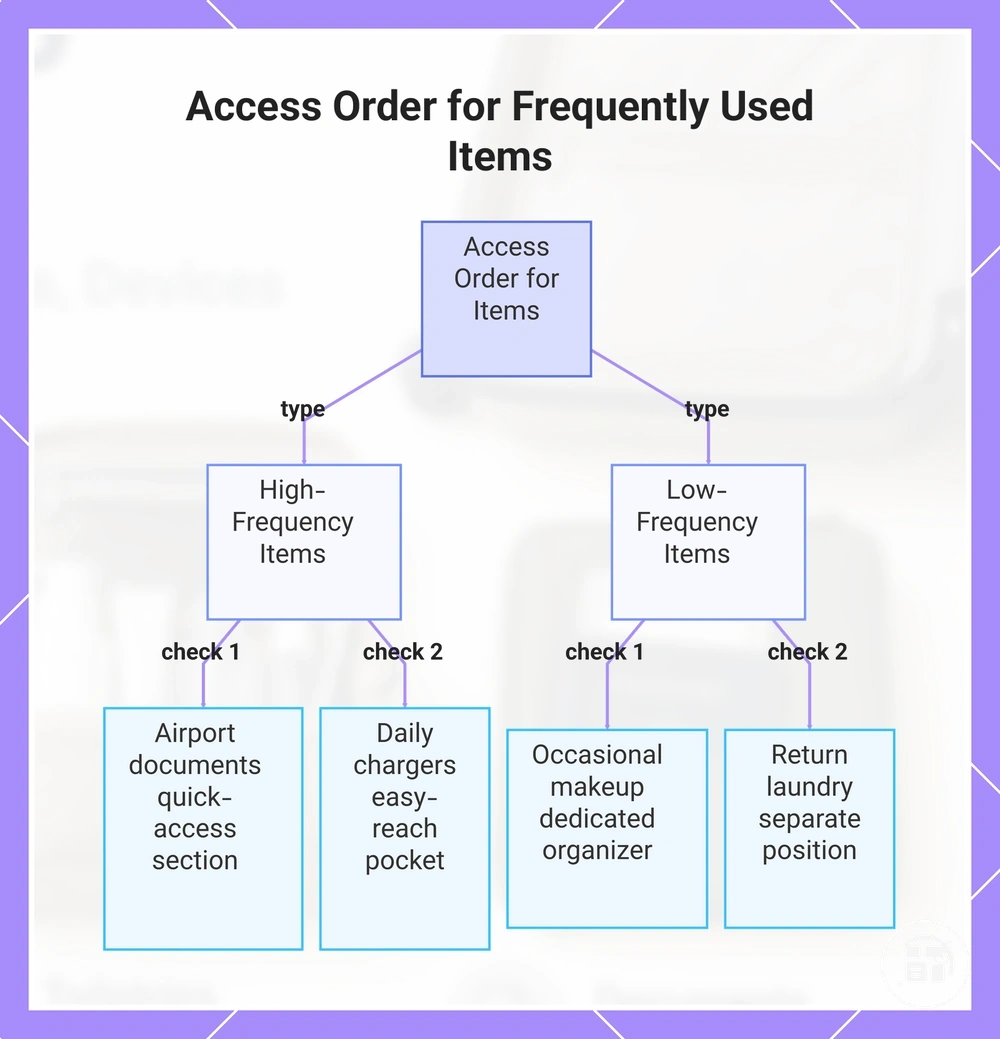
Access order should reflect when belongings are needed during the trip rather than only what category they belong to. Frequently used items are easier to manage when their bag location matches how often they are accessed. Retrieval often becomes more efficient when quick-access items remain near the top or in dedicated compartments, while lower-priority belongings stay deeper in the bag. For most travel situations, frequency is the main criterion.
Access order connects item frequency with bag location. The mini-checklist below organizes belongings according to when they are typically needed and how placement may support retrieval.
- Documents used frequently at the airport → place in a quick-access section to support faster retrieval.
- Toiletries needed during a hotel routine → keep in an accessible bag location for easier access.
- Chargers used during a daily outing → store in an easy-to-reach pocket to reduce disruption.
- Makeup and jewelry used occasionally → place in a dedicated organizer section with moderate access priority.
- Laundry and less-used clothes for the return trip → keep in a separate packing position because retrieval is usually less frequent.
At the airport, documents often benefit from the most accessible bag location because retrieval may occur multiple times. In a hotel, toiletries can be easier to reach when separated from lower-priority belongings. During a daily outing, chargers may be more useful in a quick-access position. For return-trip packing, laundry can remain separate from clothes that may still be needed.
A practical access-order decision starts by identifying which belongings are used first, most often, or only occasionally. Item frequency can guide bag location choices without turning organization into a complete packing workflow. Travelers who want to pack organized luggage can use access order as a simple travel access strategy across different trip scenarios.
The products below are useful examples for comparing available options. Before buying, check that the compatibility criteria, key features, and product details match your needs.
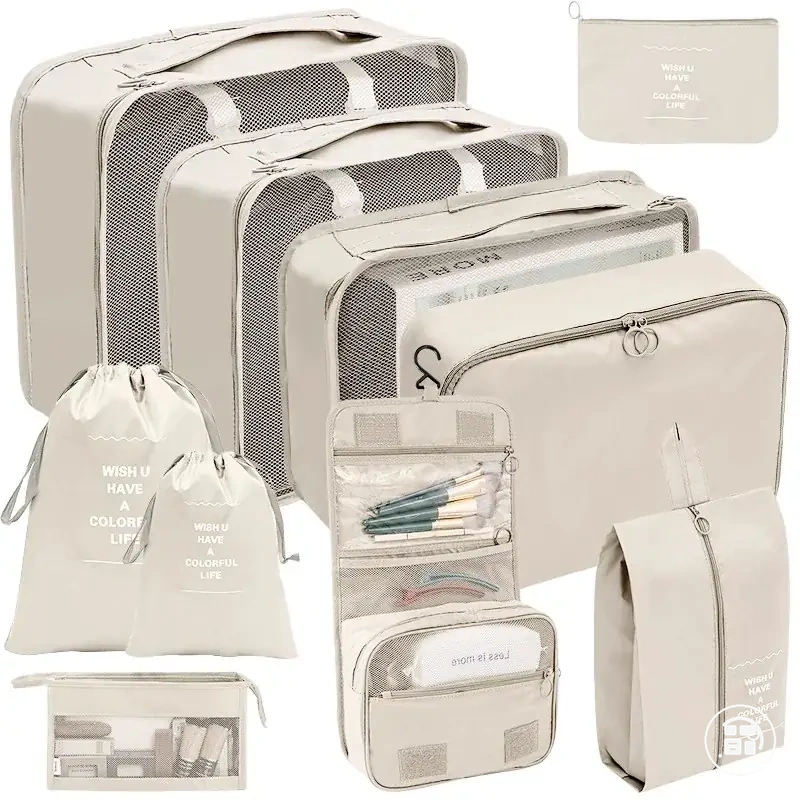
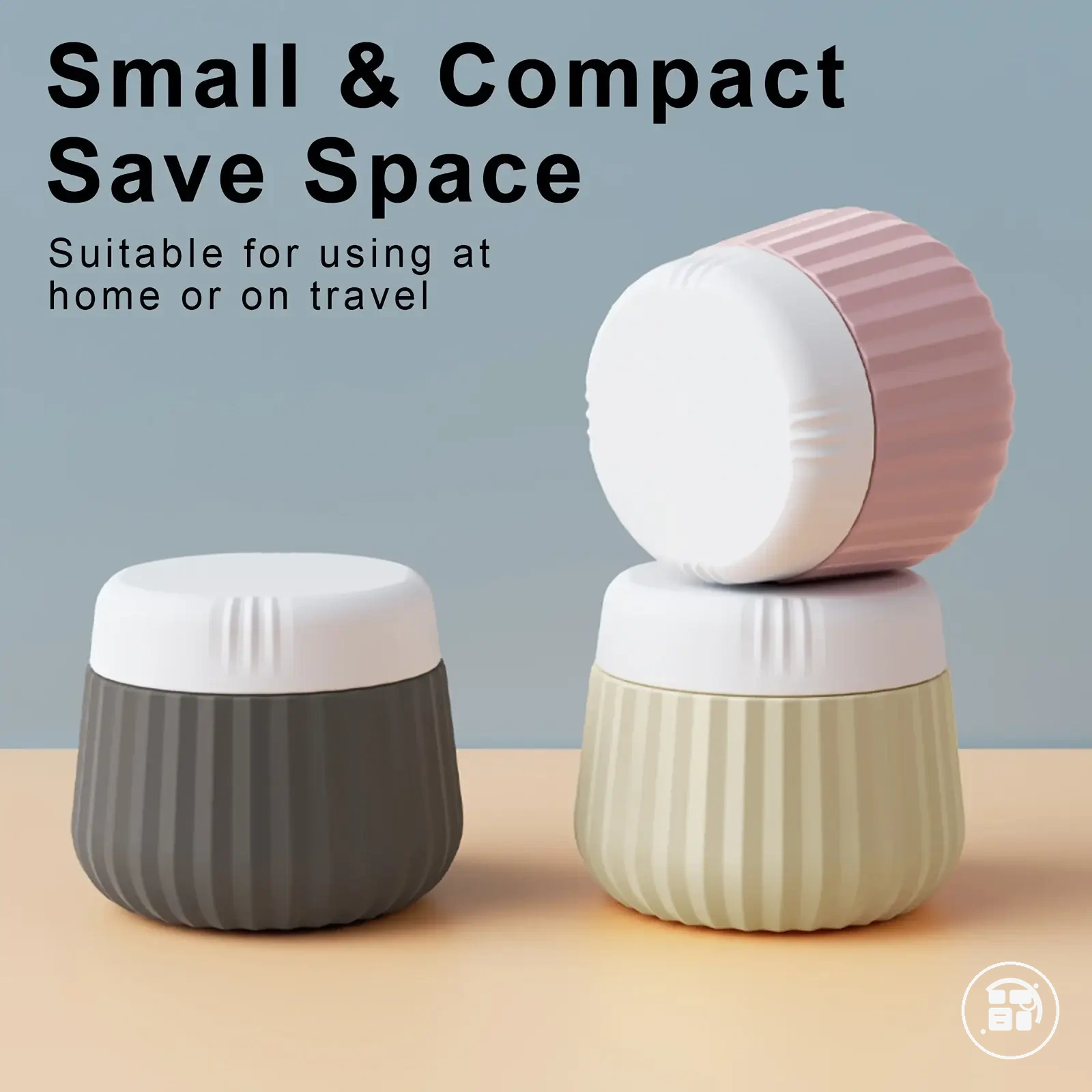
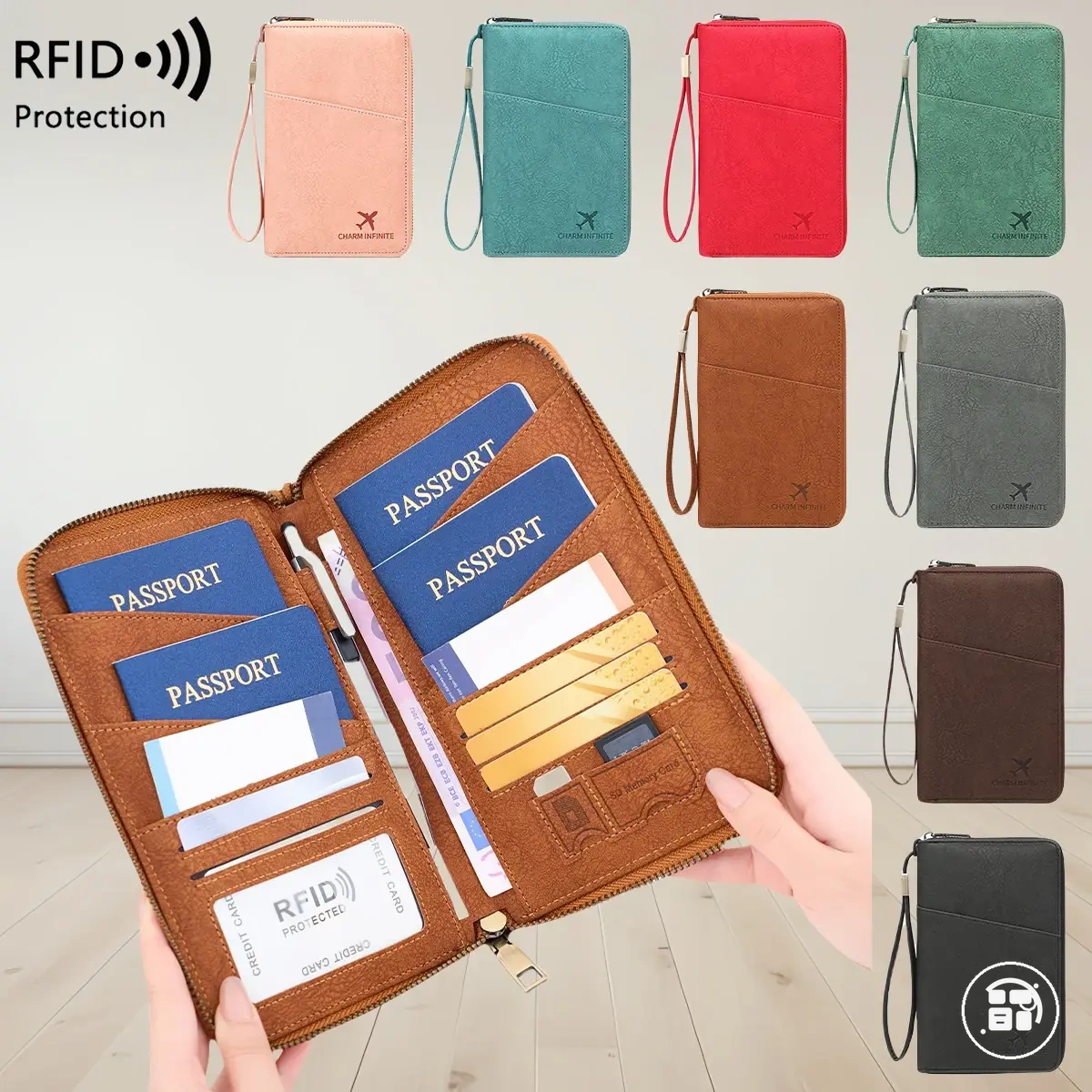
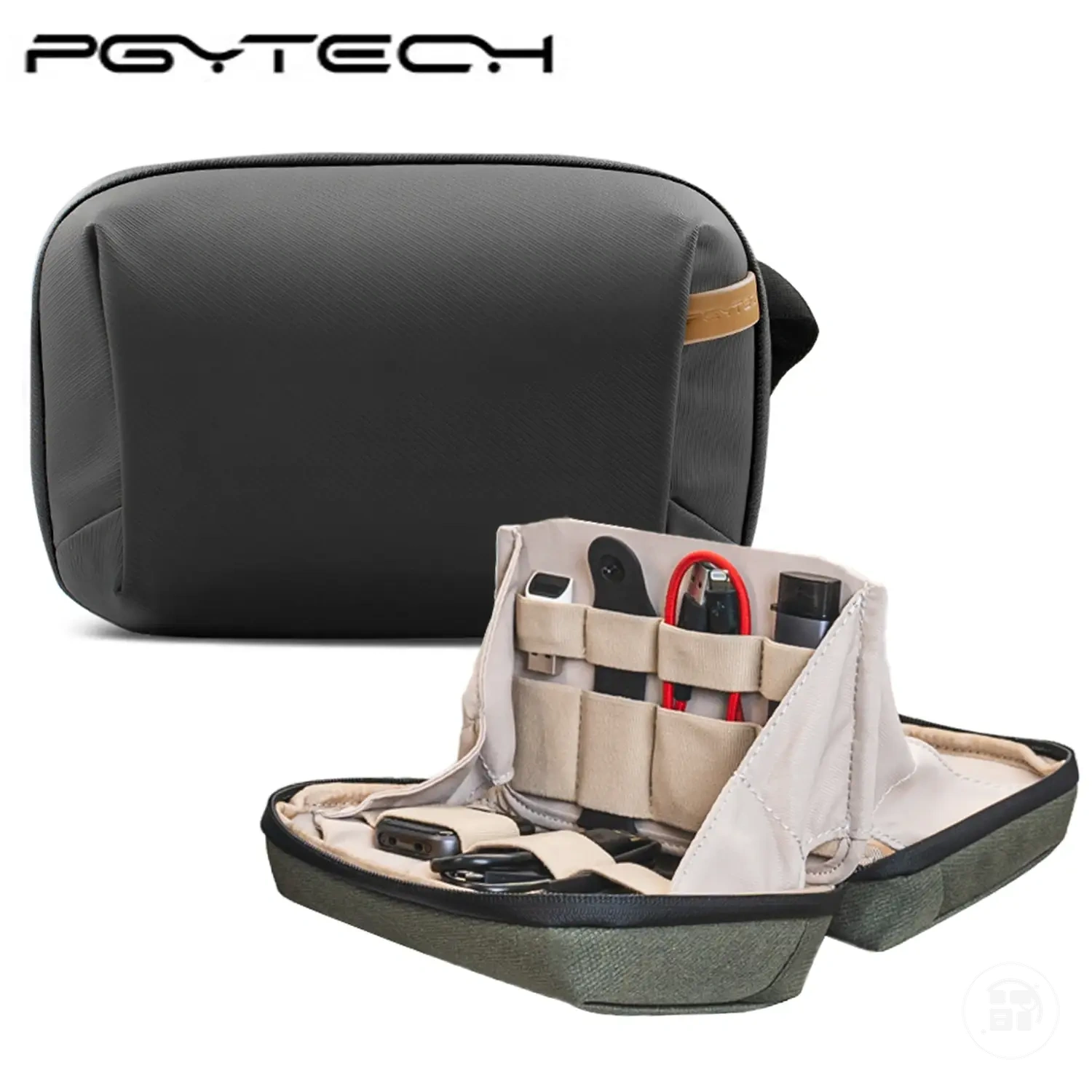
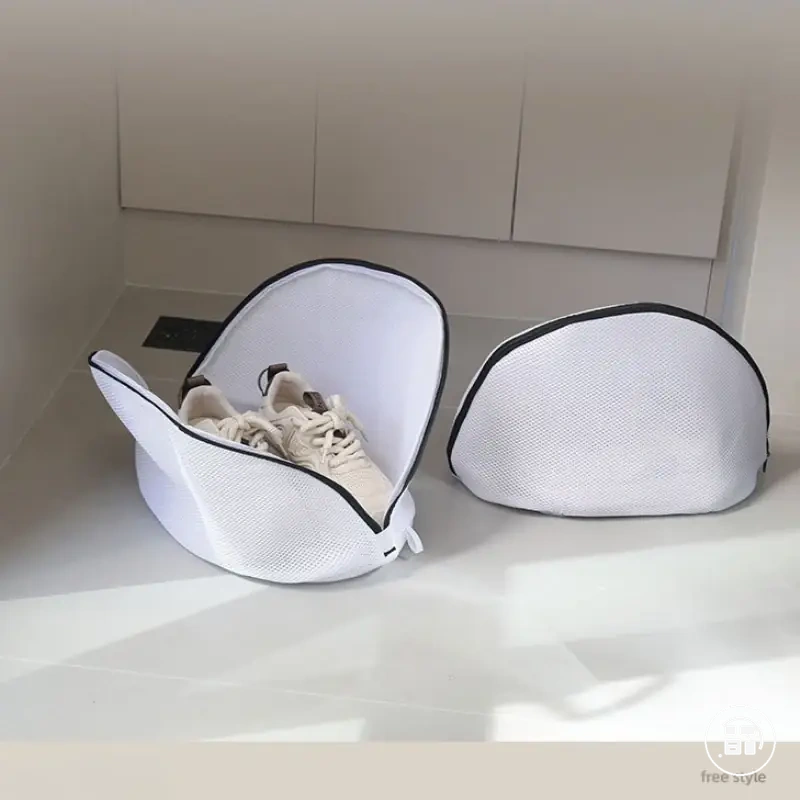
This chart shows how to organize luggage based on access frequency, with placement examples for high- and low-access items.